Microneedling is one of those treatments that has moved from specialist clinic to mainstream conversation over the past decade, and for good reason. At Regener8 Aesthetics in Selly Oak, Birmingham, it is among our most requested procedures, sought by patients across Harborne, Edgbaston, Bournville, Moseley, Kings Heath, and beyond. Whether you are dealing with acne scarring, fine lines, uneven texture, or simply want to support your skin's long-term health, this guide gives you the honest, detailed picture you need before booking a consultation.
What Is Microneedling?
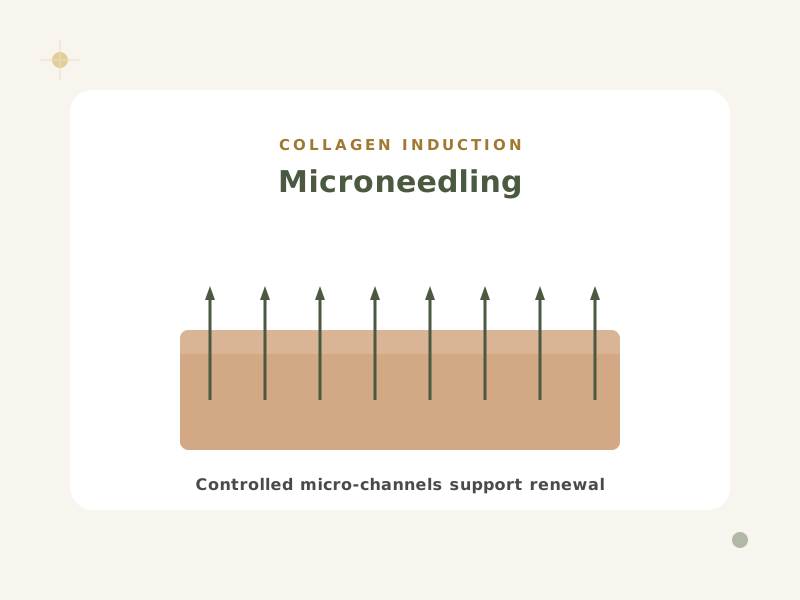
Microneedling, also known as collagen induction therapy, is a minimally invasive skin treatment that uses fine, sterile needles to create controlled micro-channels in the surface of the skin. These tiny punctures are designed to trigger the body's natural wound-healing response, which stimulates the production of collagen and elastin over time.
Unlike some cosmetic procedures, microneedling works with the skin's own biology rather than introducing synthetic substances. This regenerative approach aligns with the philosophy at Regener8 Aesthetics, where treatments are designed to support the skin's natural capacity for renewal. At our Selly Oak clinic, we use professional-grade devices that allow precise control over needle depth, ensuring a treatment that is tailored to each patient's individual needs and skin type.
Microneedling is not a one-size-fits-all procedure. Needle depth, device speed, and the serums used during and after treatment are all adjusted based on your skin type, concerns, and goals. This level of personalisation is one of the reasons professional microneedling produces different results from at-home roller devices, which cannot match the precision or sterility of clinical treatment.
How Does Microneedling Work?
During a microneedling session, a device fitted with fine needles is passed across the treatment area in a systematic pattern. As the needles create micro-channels in the epidermis and upper dermis, the skin interprets these as minor injuries and initiates a healing cascade. This process typically unfolds in three stages:
- Inflammation phase: The skin responds to the micro-injuries by increasing blood flow to the area, delivering growth factors and nutrients to the treatment site.
- Proliferation phase: New tissue begins to form as the body produces collagen and elastin fibres. This phase continues for several weeks following treatment.
- Remodelling phase: Over the following months, newly formed collagen matures and strengthens, improving skin texture, firmness, and resilience over time.
The micro-channels created during treatment also enhance the absorption of topical serums and active ingredients, which is why microneedling is often combined with targeted skincare products applied during and immediately after the procedure. This enhanced penetration can amplify the results significantly compared with applying the same products to untreated skin.
Who May Benefit from Microneedling?
Microneedling may be suitable for a wide range of skin concerns. At our clinic in Selly Oak, we see patients from across Birmingham who come in with varying presentations, and the treatment is regularly sought by those experiencing:
- Fine lines and wrinkles: particularly around the forehead, eyes, and mouth
- Acne scarring: including rolling and boxcar scars that affect skin texture
- Uneven skin tone: such as post-inflammatory hyperpigmentation or sun damage
- Enlarged pores: which may appear smaller as collagen production increases around the pore walls
- General skin texture: for those seeking a smoother, more refined complexion
- Stretch marks: particularly newer marks where the underlying tissue is still responsive
Microneedling is generally considered safe for all skin tones, including darker complexions where some laser treatments carry a higher risk of post-inflammatory hyperpigmentation. Because the treatment does not use heat or targeted light energy, it does not carry the same melanin-related risks. A consultation will confirm whether it is appropriate for your specific skin.
It is not recommended for those with active acne, open wounds, certain skin infections, or conditions such as rosacea or eczema in an active flare. All of this will be assessed carefully before any treatment is recommended.
What to Expect During Treatment
Your microneedling journey at Regener8 Aesthetics begins with a thorough consultation to understand your skin history, current concerns, and goals. On the day of treatment, the skin is cleansed and a topical numbing cream is applied to ensure comfort throughout the procedure. The numbing is left to take effect for around 20 to 30 minutes before treatment begins.
The microneedling device is then passed across the treatment area systematically. Most sessions take between 30 and 45 minutes, depending on the area being treated. During the procedure, the sensation is typically described as a mild vibration or prickling; rarely anything more than this with adequate numbing in place.
Immediately after treatment, the skin will appear pink or flushed, similar in appearance to mild sunburn. This is a normal response and typically subsides within 24 to 48 hours. Some patients also notice mild swelling or tightness for the first day or so. The skin then settles, and the regenerative process continues beneath the surface over the weeks that follow.
Book a £25 consultation at Regener8 Aesthetics in Selly Oak, Birmingham. The fee is fully redeemable against any treatment booked within 30 days. Consultations available in English, Farsi and Russian.
Finance available, subject to approval, via our Payl8r finance partner.
Aftercare and Recovery
Proper aftercare is essential to support healing and achieve the best possible outcome from your microneedling treatment. At Regener8 Aesthetics, we provide detailed aftercare guidance tailored to your skin, but general recommendations include:
- Avoid direct sun exposure for at least 48 hours and apply a broad-spectrum SPF 50 daily from the day after treatment
- Keep the skin hydrated using gentle, fragrance-free moisturisers recommended by your practitioner
- Avoid active skincare ingredients such as retinoids, AHAs, BHAs, and vitamin C for the first three to five days
- Do not apply makeup for at least 12 to 24 hours post-treatment to allow the micro-channels to close
- Avoid strenuous exercise, saunas, and steam rooms for 24 to 48 hours
- Do not pick or scratch any areas of peeling or flaking during the recovery period
Most patients can return to their normal routine within one to two days. A course of three to six sessions spaced approximately four weeks apart is often recommended for optimal results. Acne scarring and deeper textural concerns typically benefit from a longer course. Your practitioner will advise on what is appropriate for your situation and review progress as your programme continues.
Initial redness and mild swelling settle within 24 to 48 hours. The skin may feel slightly dry or tight for a few days as it repairs. Visible improvements in tone and radiance can appear within one to two weeks of the first session, with the deeper collagen response building over two to three months. Results accumulate across a course of treatments.
Microneedling vs Other Skin Treatments
Understanding how microneedling sits alongside other options helps you make an informed decision about what is right for you.
Chemical Peels
Chemical peels use acid solutions to remove the outer layer of the skin, prompting cell turnover and surface renewal. They are particularly effective for pigmentation, dull skin, and fine surface lines. Microneedling targets deeper layers of the dermis and is more effective for structural concerns such as scarring and loss of firmness. Both treatments can be used as part of a combined programme, though they are spaced apart rather than combined on the same day.
Profhilo
Profhilo is a skin booster injectable that delivers hyaluronic acid deep into the dermis, improving hydration and stimulating collagen from within. It addresses skin quality and laxity primarily through injectable means, whereas microneedling stimulates the skin's own repair mechanisms mechanically. The two treatments are complementary and can be delivered as part of a combined skin health programme.
PRP Vampire Facial
The PRP Vampire Facial combines microneedling with platelet-rich plasma derived from the patient's own blood. The microneedling creates channels through which the growth factors in PRP can penetrate deeply into the dermis, amplifying the regenerative effect. This combination is particularly popular for skin rejuvenation and the treatment of more advanced scarring.
Jalupro
Jalupro is an injectable amino acid complex that supports fibroblast activity and collagen synthesis from within the dermis. It works at the cellular level to rebuild the extracellular matrix and is often used alongside microneedling as part of a broader skin renewal programme.
Key Takeaways
- Microneedling works by creating controlled micro-injuries that stimulate the skin's own collagen and elastin production, improving texture, tone, and firmness over time.
- Professional microneedling differs significantly from at-home rollers in terms of needle depth, sterility, and the ability to tailor treatment to individual skin concerns.
- It is suitable for a wide range of concerns, including fine lines, acne scarring, enlarged pores, and uneven skin tone, and is generally safe for all skin tones.
- A course of three to six sessions spaced around four weeks apart is typically recommended; results build progressively and are fully assessed around three months after the final session.
- Microneedling combines well with treatments such as PRP, Profhilo, chemical peels, and Jalupro as part of a comprehensive skin health programme tailored to your goals.
Frequently Asked Questions
Related Treatments at Regener8 Aesthetics
Related Articles
Our team at Regener8 Aesthetics in Selly Oak sees patients from across Birmingham, including Harborne, Edgbaston, Bournville, Stirchley, Kings Heath, Moseley, Northfield, Bearwood, Quinton, Halesowen, Solihull, and Sutton Coldfield. A £25 consultation is your first step, fully redeemable against any treatment booked within 30 days.
Finance available, subject to approval, via our Payl8r finance partner.